Nematoda
Tardigrades
Crustacea: Feeding Strategies
View the videos of several different crustaceans. Some are herbivores, some are carnivores & scavengers and some are suspension feeders. Observe the feeding behavior of each one.
- Compare the feeding and walking appendages found on each specimen. What are the major differences between them?
- Record the name of each species that is shown and describe the differences among them either in words or with quick sketches.
External Anatomy of a Crayfish
Watch the video below, which will walk you through the external anatomy of a crayfish. Label the diagrams, and answer the follow-up questions .


- How many segments and appendages are there in the cephalothorax?
- How many abdominal segments are there?
- How many abdominal appendages are there?
- In most male malacostracans, the anterior two pleopods are modified into copulatory organs. They are enlarged and point in a forward direction between the last walking legs (which are attached to the cephalothorax). What are the differences between these two segments and the posterior pleopods.
Arachnids
Some features of terrestrial arachnids clearly represent homologies with those of their marine chelicerate relatives. For example, they have book lungs, which are modifications of the book gills that horseshoe crabs use to respire. The appendages are also clearly homologous, although they vary in size and shape. The same thing is true for the overall body form. All arachnids have two main body segments, a cephalothorax and abdomen, but the size and shape of these parts varies. View the video below and label the chart provided. Also look for the answers to the following questions:
- What type of spider is shown in the video?
- Do spiders bite? Or don’t they??
Hexapoda
Orthoptera
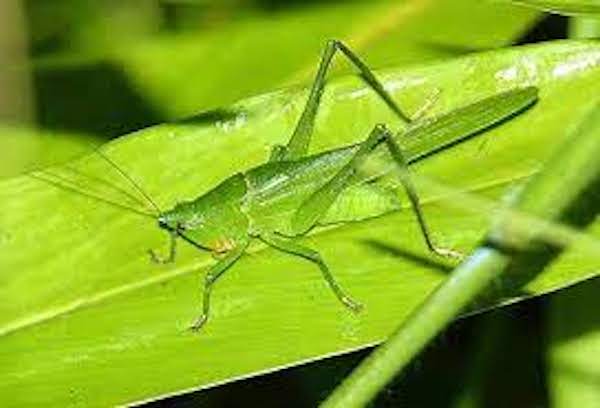
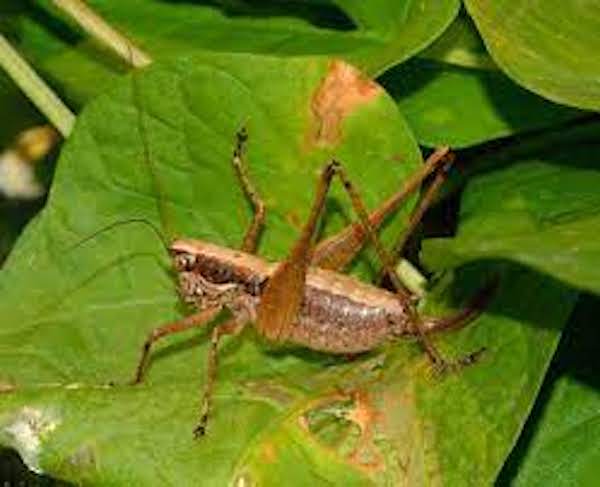
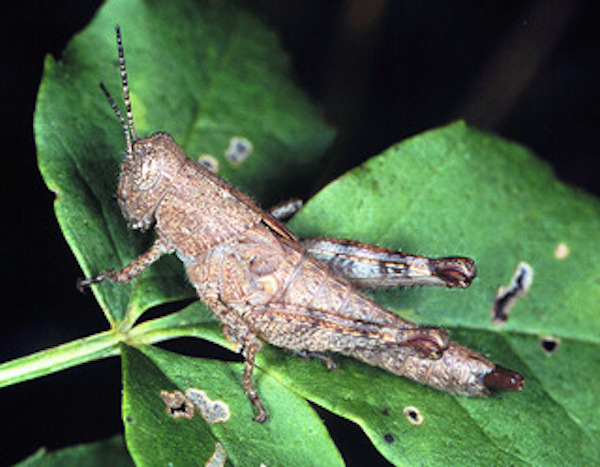
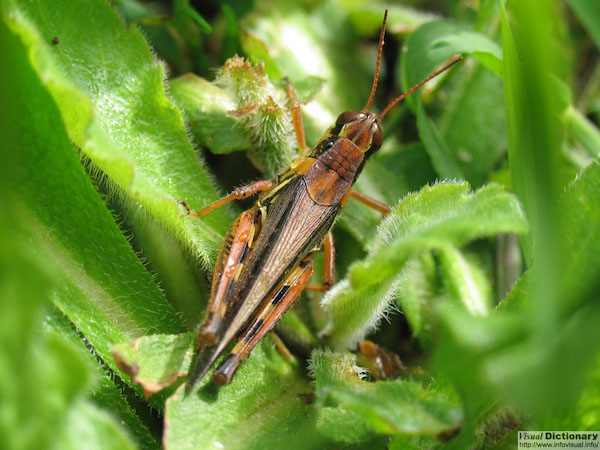
The InfoVisual.info site uses images to explain objects.
Odononata
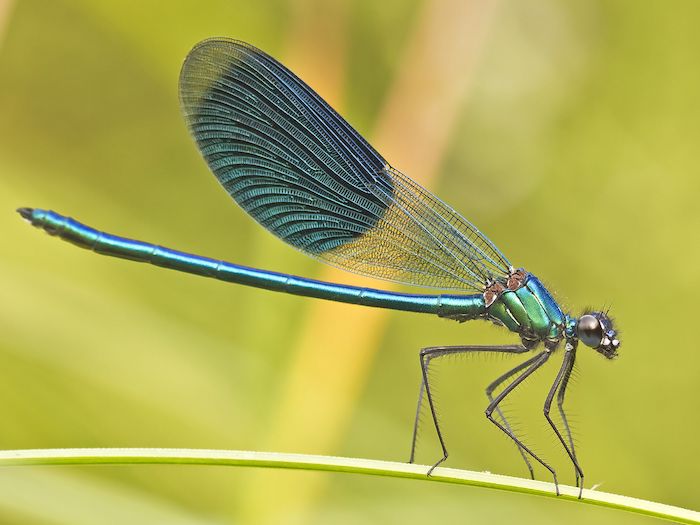
Damselfly 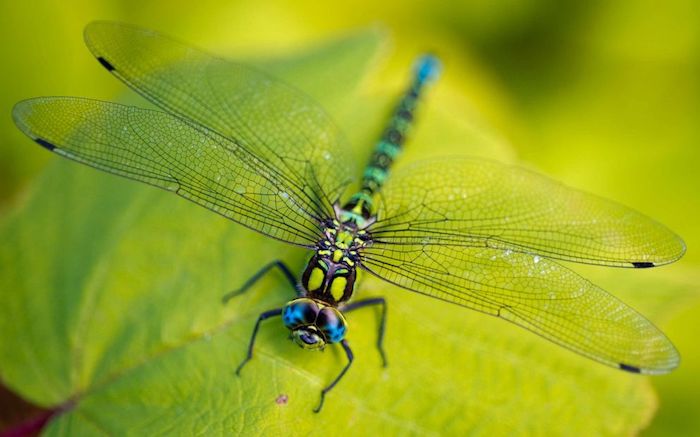
Dragonfly
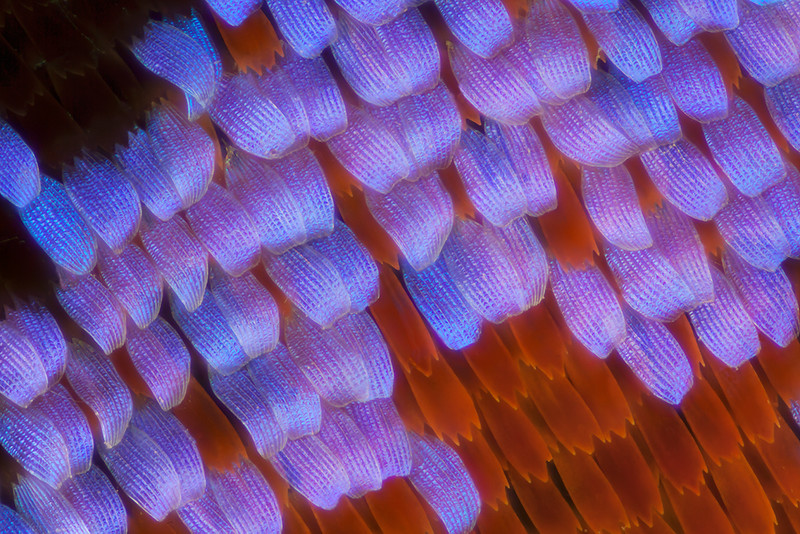
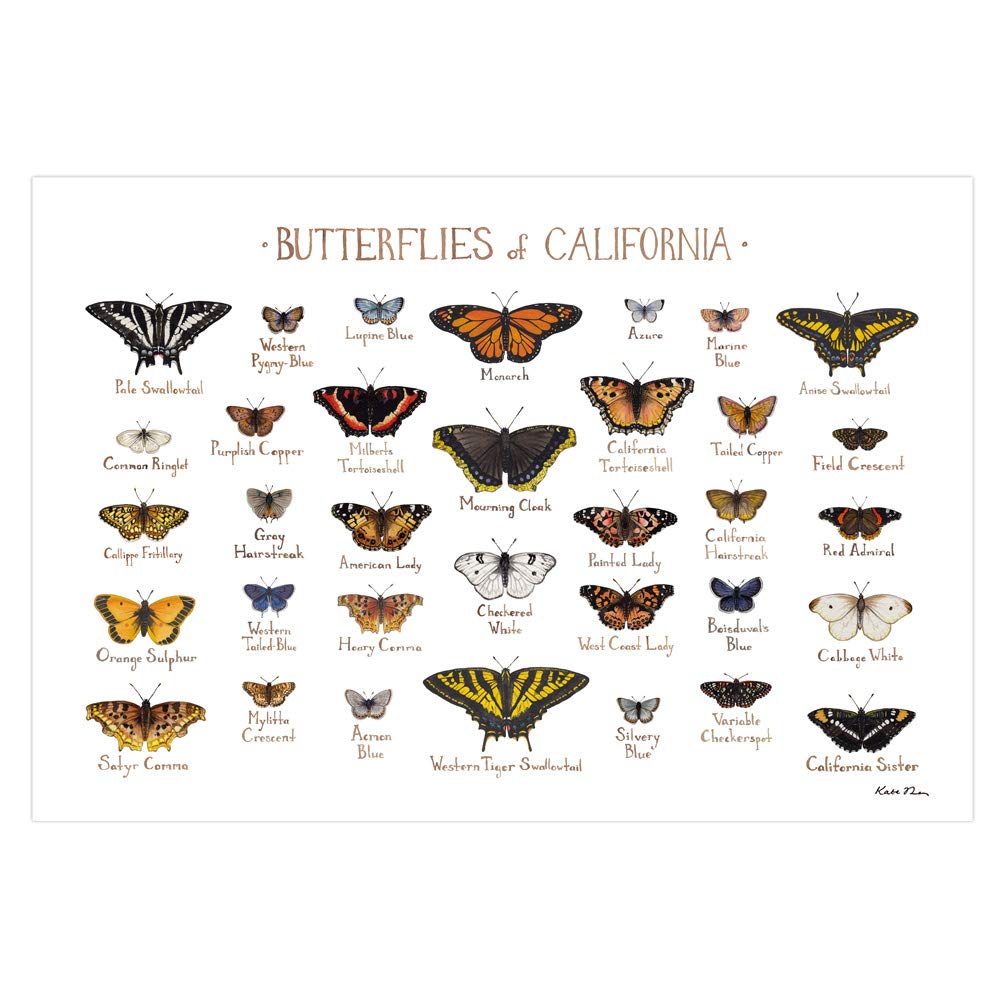
Lepidoptera
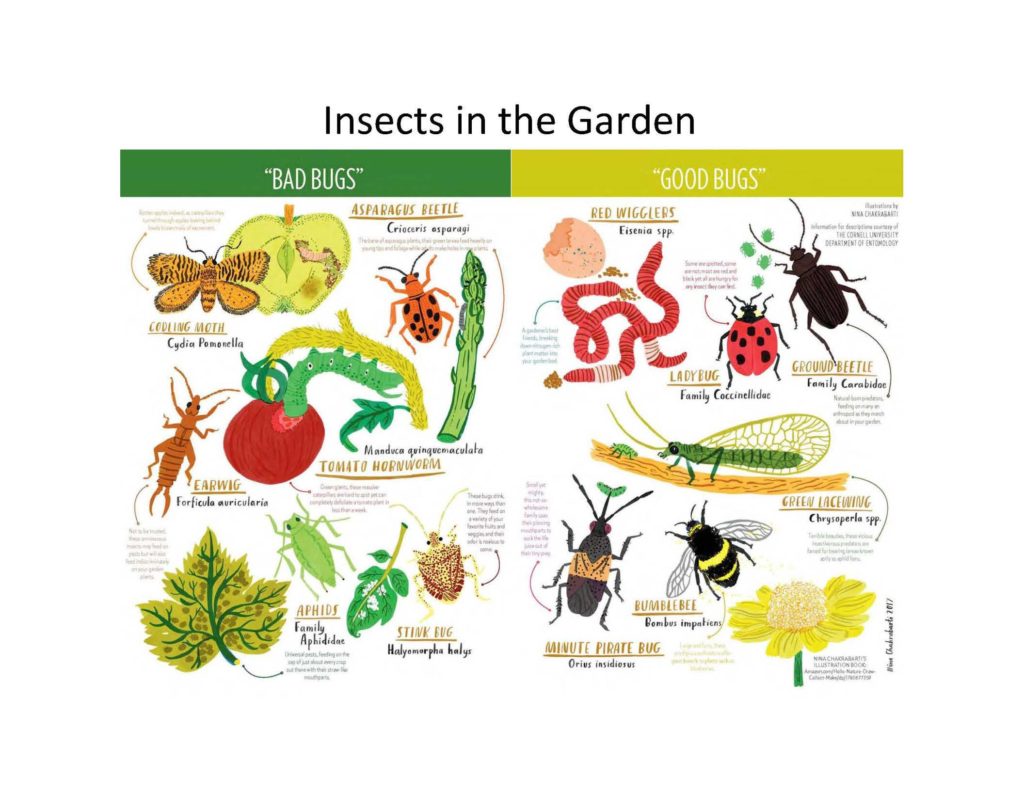
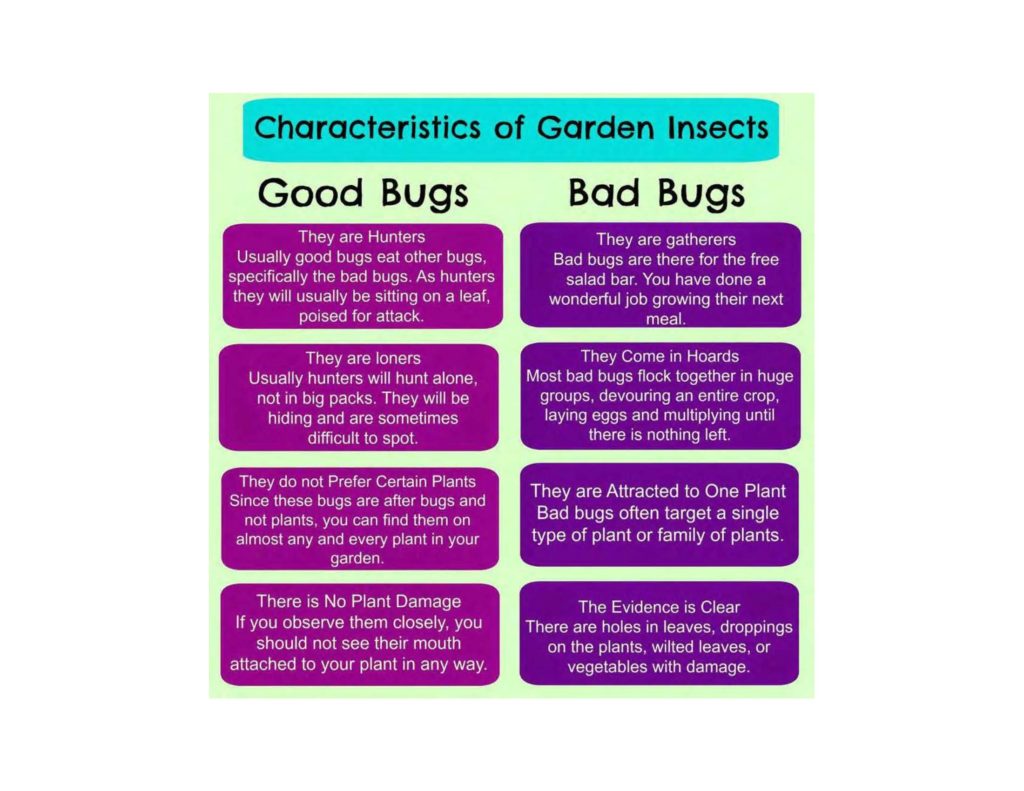
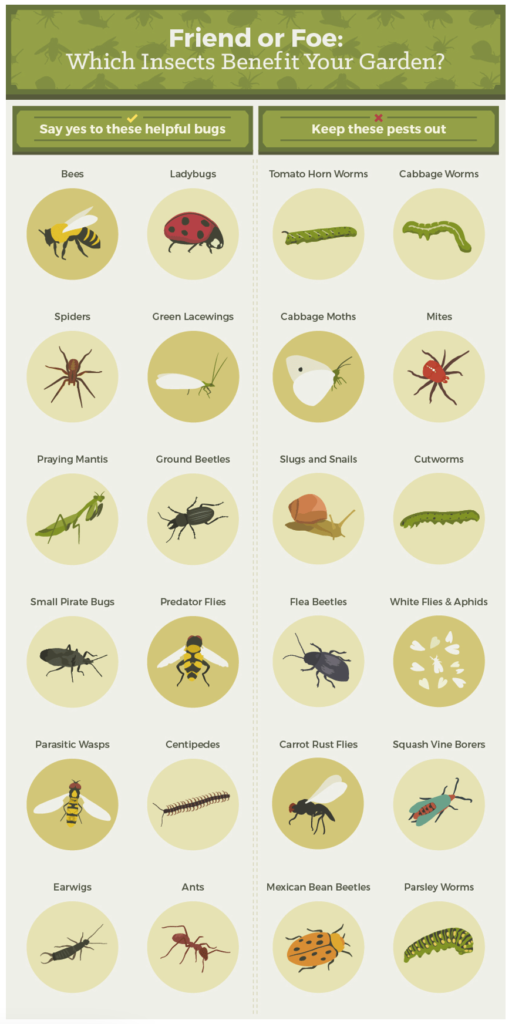
Insects in the Garden