ANNELIDS
Polychaete Worms:
https://www.youtube.com/embed/cdr1kWmSiiE
Earthworm Dissection
https://www.youtube.com/embed/vs2npjWW3KE
MOLLUSCA
Squid Dissection
https://www.youtube.com/embed/OueQ9kU36i0
LOPHOTROCHOZOAN DIVERSITY
In this activity, we will revisit the concept of the dichotomous key. This time, however, instead of using a key to identify specimens, you will be creating the key! Read through the profiles on the lophotrochozoan groups presented below. Then, create a dichotomous key that would allow someone to differentiate these groups based on the characters mentioned in the profiles.
For example, you could create a chart like the one below, and populate it with an inventory of the characteristics in the profiles. Then, decide how to categorize them into a key.
| Coelom? | Feeding Structure(s) | Unique Characteristic | |
| Acanthocephala | |||
| Annelida | |||
| Brachiopoda | |||
| Ectoprocta | |||
| Mollusca | |||
| Platyhelminthes | |||
| Rotifera |
From there, use the similarities and differences between the groups to create the key. Your lab instructor is there to help if you have any questions or get stuck along the way.
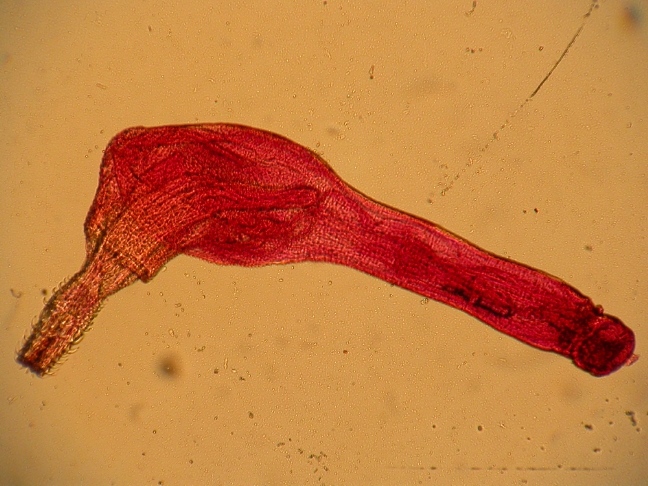
Phylum Acanthocephala
- Spiny-headed worms
- Endoparasites in the intestinal tracts of vertebrates (especially fishes)
- Pseudocoelomates, that lack a digestive tract, an adaptation to a parasitic lifestyle, as these worms absorb nutrients that were digested by the host
- Eversible (capable of being turned inside out) proboscis covered with recurved spines that provides a means of attachment in the host’s intestine
- Considered part of Rotifera by some taxonomists
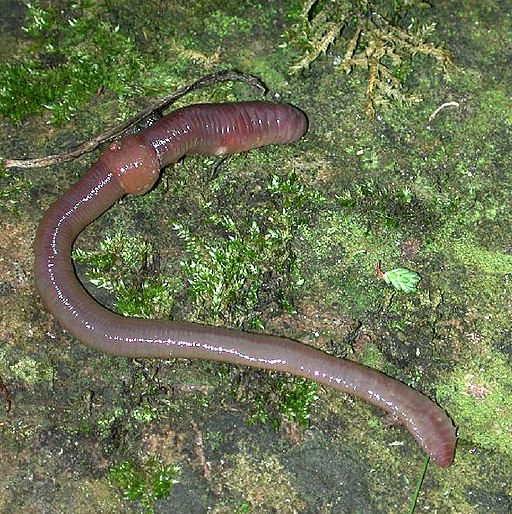
Phylum Annelida
- Ringed or segmented worms
- Various ecologies, marine, freshwater, terrestrial, some parasites
- Basic annelid form consists of multiple segments with the same sets of organs and, in most polychaetes, has a pair of parapodia that many species use for locomotion
- Generally have well-developed coelom that acts as a hydrostatic skeleton; aids in locomotion via peristalsis (“ripples” that pass along the body) or by undulations that improve the effectiveness of the parapodia
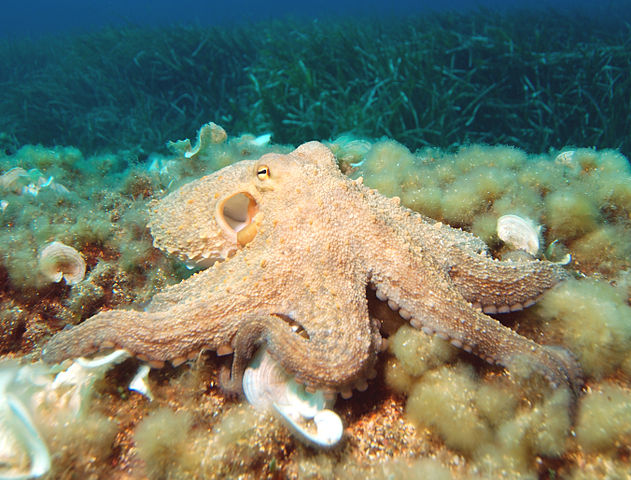
Phylum Mollusca
- Snails, slugs, clams, and cephalopods
- Generalized mollusk has a single “limpet-like” shell on top, secreted by a mantle covering the upper surface
- Underside consists of a single muscular “foot” for locomotion; some groups (squid and octopus) use the mantle for jet propulsion
- Coelom is relatively reduced, surrounding only the area around the heart
- Many have a specialized, rasping feeding structure called a radula
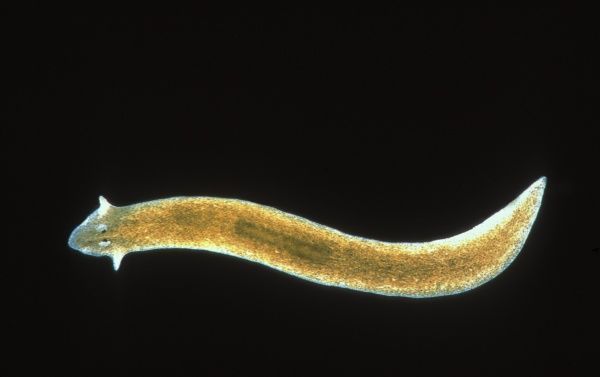
Phylum Platyhelminthes
- Flatworms
- Acoelomate, with a body flattened dorsoventrally. The space between the gut and outside is filled with mesodermal muscle fibers and undifferentiated parenchyma. Fluid-filled spaces in the parenchyma serve as a hydrostatic skeleton.
- Most free-living flatworms have a gastrovascular-type digestive system (a mouth is present but no anus), while parasitic forms generally have no digestive system.
- Endolecithal eggs ( yolk for developing embryo is within the egg cell itself)
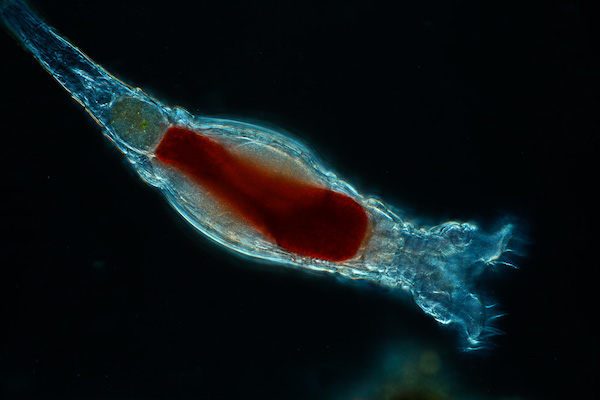
- Microscopic pseudocoelmates
- Ciliated organ called a corona (wheel organ) on the head creates currents that draw small plankton into the mouth, which opens into a muscular pharynx called a mastax
- Pedal glands on the foot (when present) secrete a sticky substance that anchors the animal to the substrate or allows it to creep through the environment
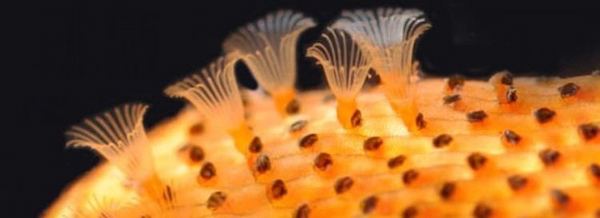
Phylum Ectoprocta (aka Bryozoa)
- Marine moss animals that exploit many firm substrates, including shells, rocks, marine timbers, and ship bottom
- Coelom, and lophophore for feeding and gas exhange
- Colonial, with each member of a colony living in a tiny chamber called a zoecium (“animal house”), secreted by the epidermis
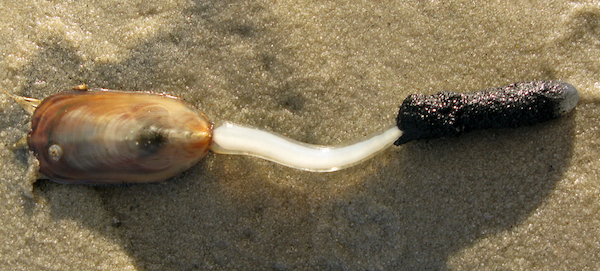
- Lampshells
- Coelomates that resemble bivalve mollusks, but with shells located on the ventral and dorsal side rather than left and right
- Attach themselves to substrate by a pedicel on the ventral valve, by cementing the ventral valve to the substrate, or burrowing into sediment
- Lophophore surrounding the mouth used for feeding and gas exchange.
Text adapted from: https://www.uwlax.edu/biology/zoo-lab/lab-5–flatworm-and-smaller-lophotrochozoans/